
4H-SiC Substrate Orientation, Thickness and Epi-Ready Surface
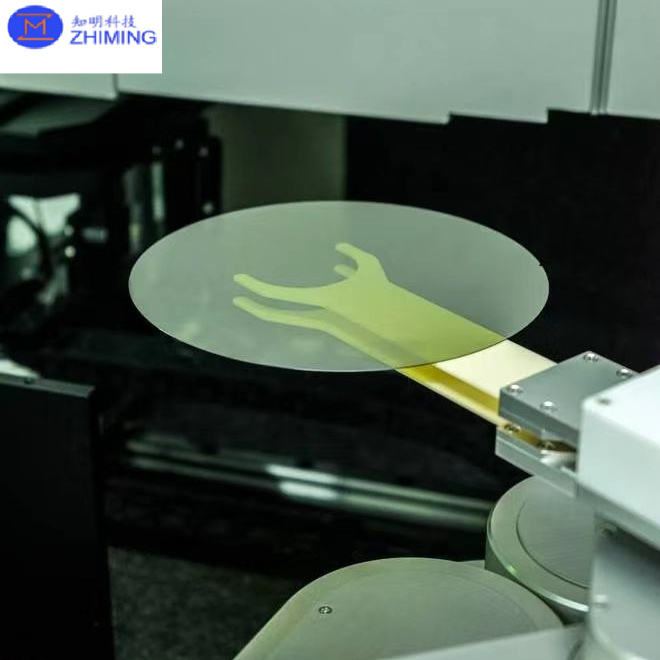
For an epitaxy project, substrate details need to be defined as a coordinated specification. Orientation, off-angle, thickness, surface finish, and defect limits each affect how the wafer fits the process and how incoming quality is evaluated.
Orientation and off-angle
State the crystal plane and any off-angle explicitly, including the direction if it is process-critical. Do not infer orientation from a product name alone. The requested value should be checked against the epitaxy recipe and the supplier’s inspection convention.
Thickness and geometry
Nominal thickness is only one part of wafer geometry. Include tolerance, total thickness variation, bow, warp, edge geometry, and diameter where these parameters affect chucking, handling, or process uniformity. For a new tool or recipe, verify the incoming limits with the equipment and process teams.
Surface and incoming inspection
Define which side is polished and whether the surface is intended for epitaxy. Specify roughness method, visual inspection criteria, packaging, and the documents required with the lot. A shared checklist reduces ambiguity in both quotation and acceptance.
Discuss a material requirement
Send specifications or a drawing to our materials team.